Shitian Excavator Boom Repair Methods
Comprehensive Shitian excavator boom repair methods, including crack causes and welding anti-rust measures, supported by Shandong Shitian Heavy Industry's technical innovation.
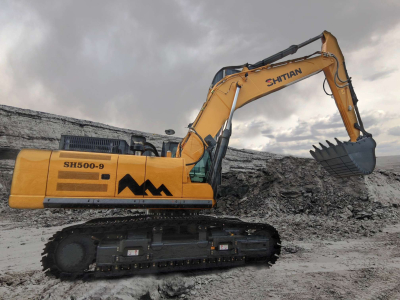
As the core load-bearing component of excavators, the Shitian excavator boom is prone to cracks, wear and weld corrosion due to long-term mechanical stress, hydraulic pressure and harsh working conditions. These issues reduce efficiency, pose safety hazards and increase maintenance costs for B2B buyers. This article details professional repair methods, analyzes crack causes, introduces anti-rust measures, and highlights how Shandong Shitian Heavy Industry Co., Ltd. (Jining Shanzhong New Energy Co., Ltd.) reduces boom problems from the source through technological innovation.
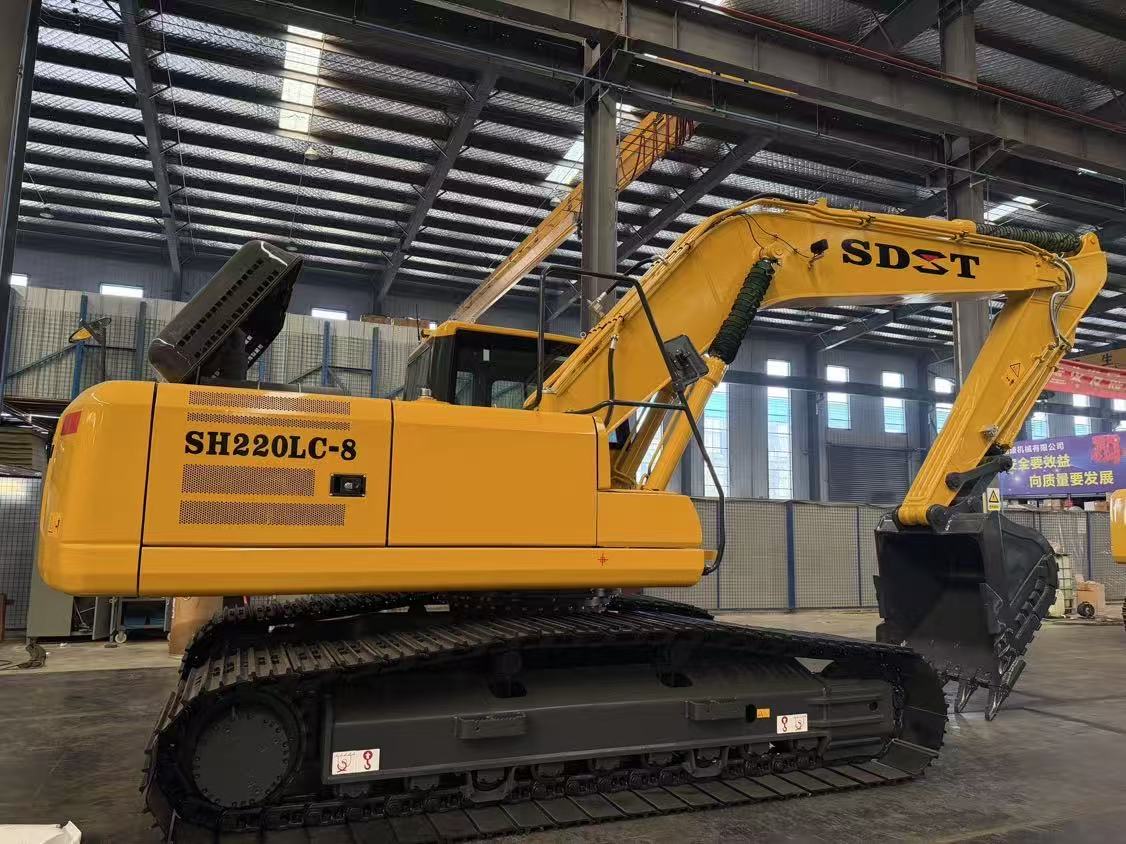
Effective repair of Shitian excavator boom cracks relies on understanding their root causes, which mainly fall into four categories:
1.Overload and Improper Operation
Overloading beyond the boom's rated capacity is the most common cause, leading to fatigue cracks—especially at weld joints. Improper operations like prying heavy objects or applying excessive side forces also cause bending and cracking.
2.Harsh Working Environments and Lack of Maintenance
Exposed to sand, acid rain, salt mist and high humidity in mines or coastal areas, the boom's surface and welds corrode easily without regular cleaning, lubrication and anti-rust treatment, weakening structural strength and inducing cracks.
3.Hydraulic System Malfunctions
Hydraulic cylinder leaks, relief valve failures or contaminated hydraulic oil cause uneven boom pressure during lifting/lowering, leading to local stress concentration and cracks. Poor-quality oil also accelerates hydraulic component wear.
4. Welding Defects and Process Problems
For large boom side plates, original weld defects (bubbles, slag inclusions, tiny cracks) expand under overload. Incompatible electrodes, inadequate heating/insulation and incomplete removal of post-weld hardened zones reduce weld strength, while operational vibration and impact cause uneven stress and cracking.
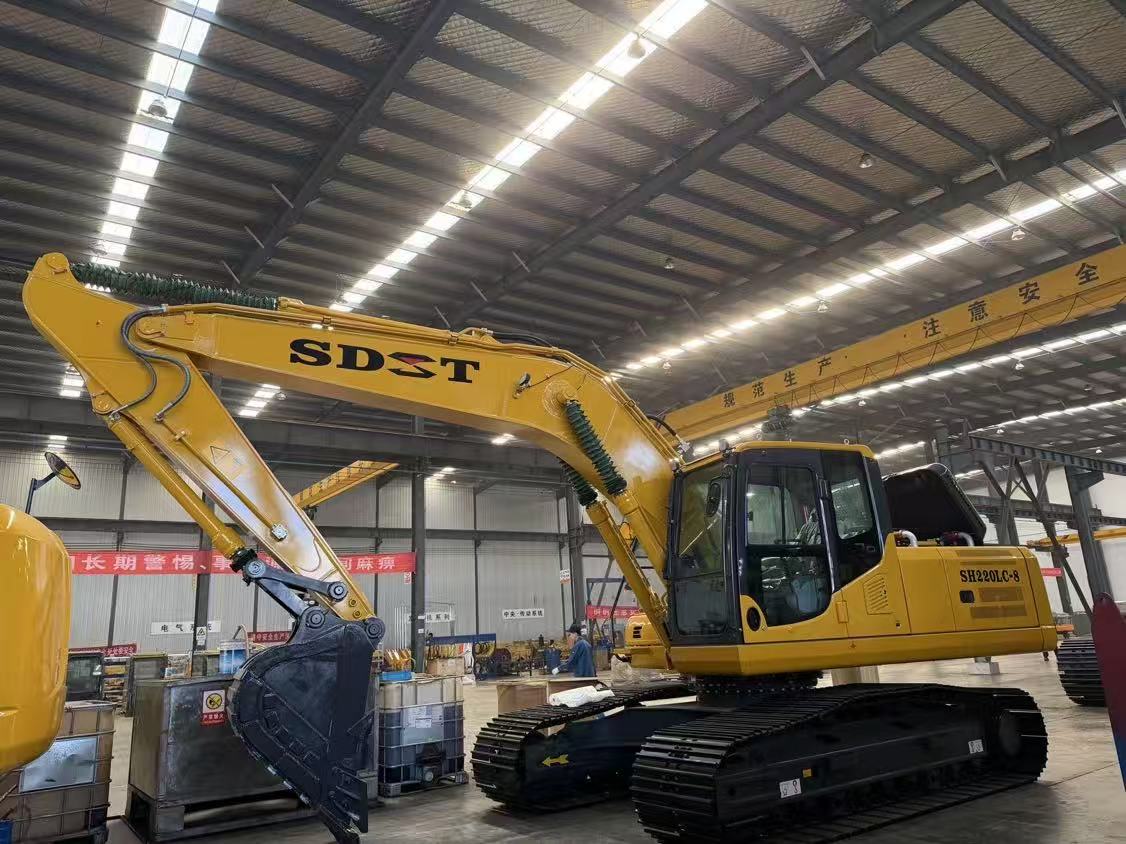
Professional Shitian Excavator Boom Repair Methods
Standardized processes from pre-welding preparation to post-welding inspection ensure repair quality and service life:
1. Pre-Welding Preparation
Remove oil, paint and rust from cracked welds with a hand grinder. Gouge cracks to the side plate body (removing previous hardened zones) with an air gouging machine, smooth the cut (grind a V-shaped inner groove), and confirm all cracks are eliminated via cleaning and magnetic particle inspection.
2. Welding Operation
Select Φ5mm E5015 (J507) or E5016 (J506) electrodes, bake at 350℃ for 2h and keep warm at 100℃ to prevent moisture absorption. Use 190~230A current, preheat the welding area to 150~250℃, adopt segmental/symmetrical/backward welding, tap welds to eliminate stress during cooling, and weld continuously at corners to avoid arc defects.
3. Post-Welding Treatment and Inspection
Remove spatter, slag and weld reinforcement (not exceeding 2.5mm), and conduct magnetic particle flaw detection to ensure no cracks or defects.
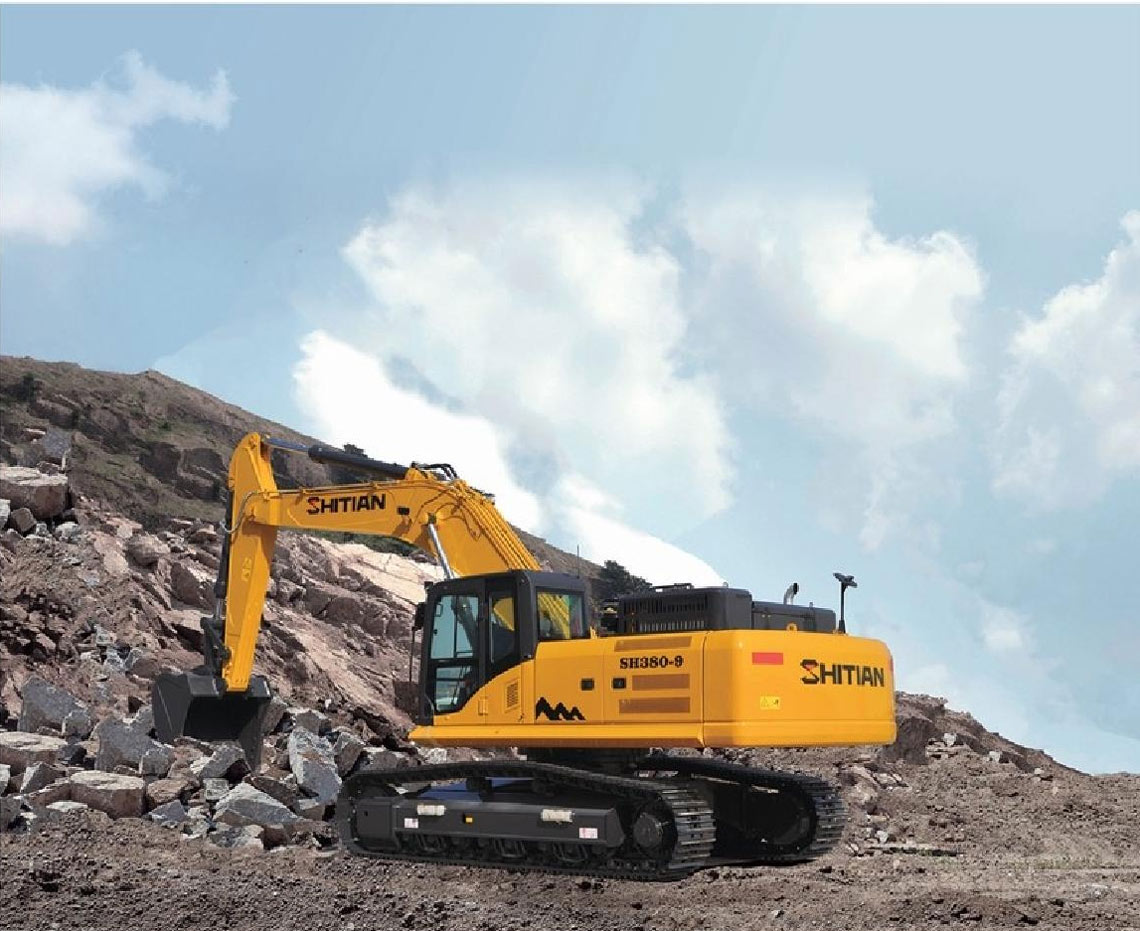
Anti-Rust Measures for Shitian Excavator Boom Welds
Weld seams are rust-prone; comprehensive anti-rust measures include post-welding treatment, on-site maintenance and daily protection:
1. Post-Welding Anti-Rust Treatment
Fully grind and derust welds, then apply anti-rust paint to ensure adhesion and rust resistance.
2. On-Site Maintenance and Rust Removal
For rusted on-site welds, choose manual derusting (high labor intensity/cost) or acid pickling—using organic acid-based solutions with corrosion inhibitors and rust preventives to achieve derusting and rust protection.
3. Daily Usage Protection
Keep energy-saving excavators in a clean, dry and well-ventilated environment, and discharge corrosive gases/moisture promptly to reduce weld erosion.
Shandong Shitian Heavy Industry: Technological Innovation for Quality Improvement
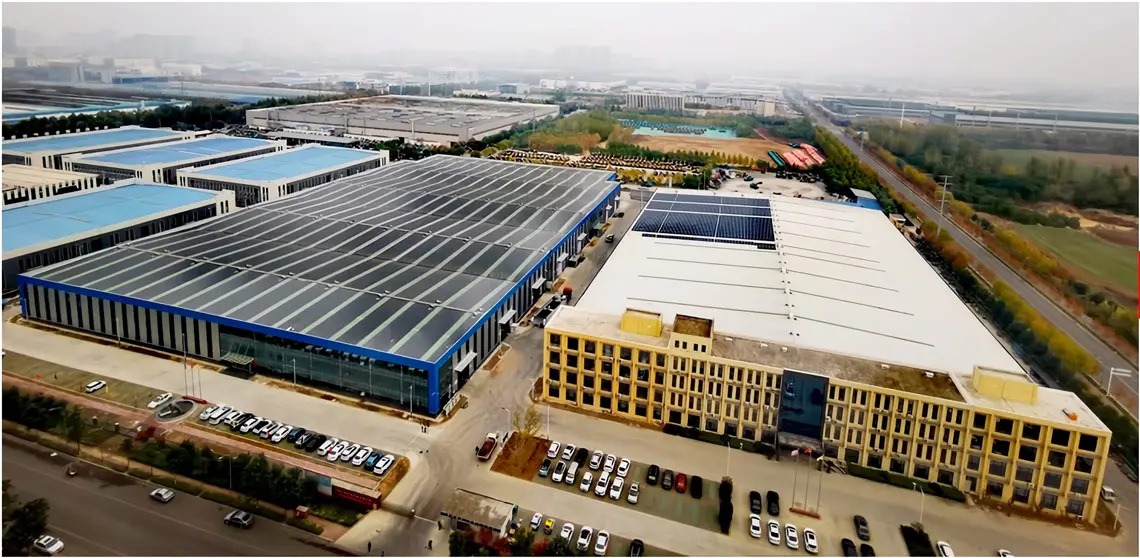
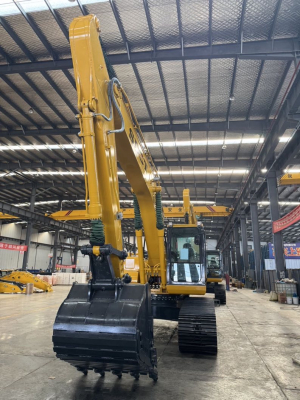
Shandong Shitian Heavy Industry Co., Ltd. (Jining Shanzhong New Energy Co., Ltd.) reduces boom defects from the source via strict quality control: adopting international standard high-strength steel, advanced CNC welding and flaw detection equipment, robot welding for uniform welds, and structural optimization via finite element analysis to reduce stress concentration.
FAQ
Q1: How to judge if a boom crack can be repaired or needs replacement?
Repair is feasible for cracks <50mm long, <1/3 boom thickness deep, and not at key stress points. Replace the boom for overlong/deep cracks or those at key positions to avoid safety hazards.
Q2: What are the key welding precautions?
Use electrode matching the boom material, control welding parameters (current, voltage, speed), eliminate residual stress post-welding, and conduct strict flaw detection. Professional qualified welders are recommended.