Common Causes of Engine Hard Starting: Industry Analysis & Professional Solutions
In the global construction machinery industry, engine hard starting is one of the most common and troublesome issues faced by B2B buyers, especially those purchasing large excavators for harsh working conditions such as mines, highways, and quarries. This problem not only affects construction efficiency but also increases maintenance costs and extends project cycles, directly impacting the profitability of enterprises. According to the latest industry data, nearly 35% of equipment downtime in the construction machinery sector is related to engine starting failures, with excavators accounting for 60% of these cases. As the global demand for energy-saving and high-reliability construction machinery continues to rise, understanding the causes of engine hard starting and adopting targeted solutions has become a key concern for international B2B buyers. Shandong Shitian Heavy Industry Co., Ltd. (Jining Shanchong New Energy Co., Ltd.), located in Jining National High-tech Industrial Development Zone, Shandong Province, is a high-tech enterprise specializing in the R&D and production of large excavators. As a leader in large energy-saving excavators, it is committed to solving practical problems for buyers and providing reliable products that reduce operational risks.
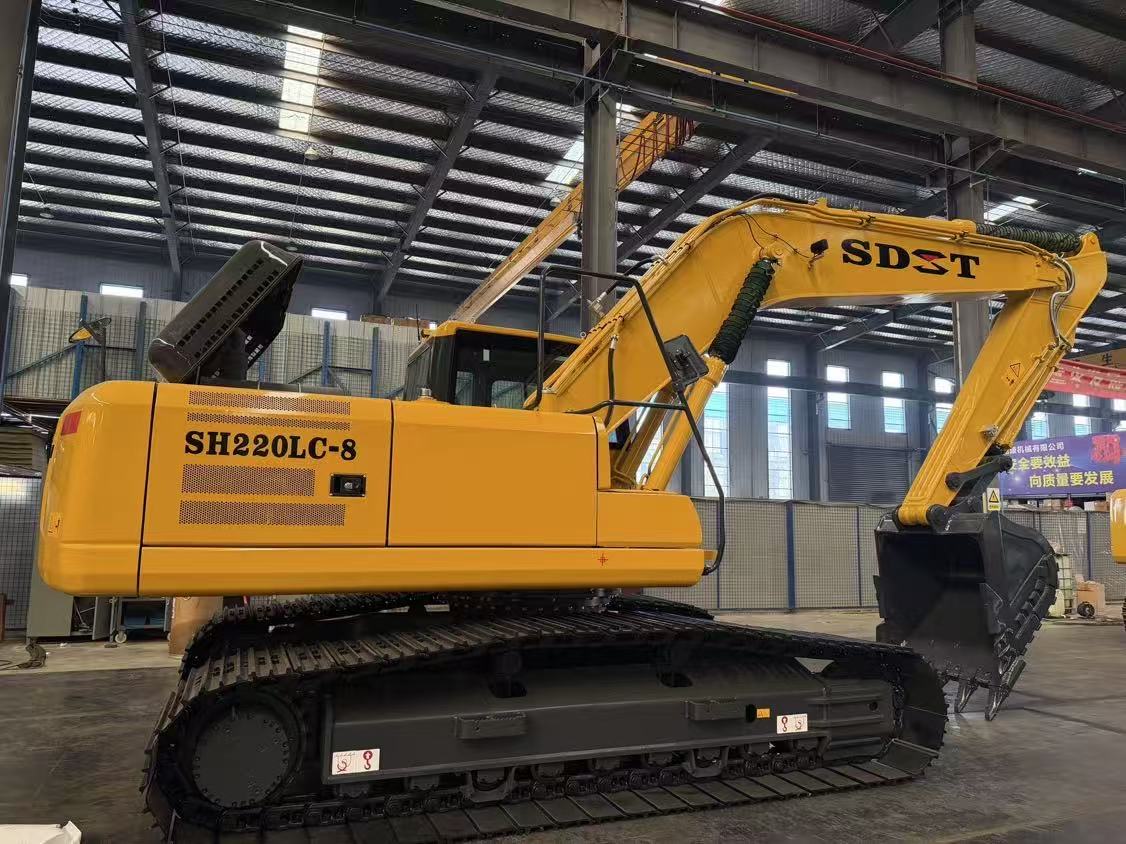
Industry Background and Market Trends of Engine Hard Starting
In recent years, the global market for large excavators has maintained steady growth, with the Asia-Pacific region accounting for 58% of the total market share. International B2B buyers are increasingly focusing on equipment reliability and after-sales service while pursuing cost-effectiveness. Engine hard starting, as a frequent failure, has become an important factor affecting buyers' purchasing decisions. To meet market demand, enterprises in the industry are continuously optimizing engine design and strengthening quality control during the production process. Shandong Shitian Heavy Industry, as a leader in large energy-saving excavators, has integrated advanced German technology into its products, effectively reducing the occurrence of engine hard starting and winning wide recognition from international buyers.
Key Causes of Engine Hard Starting: Technical Analysis
With the acceleration of global infrastructure construction and the continuous upgrading of environmental protection policies, the construction machinery industry is moving towards energy conservation, intelligence, and high reliability. Large excavators, as core equipment in infrastructure projects, have higher requirements for engine performance. However, engine hard starting has become a prominent problem restricting the efficient operation of equipment. Industry research shows that in low-temperature environments (below -10℃), the probability of engine hard starting increases by 70%, while in high-dust and high-humidity working conditions such as mines and quarries, the failure rate of engine starting systems rises by 45%.
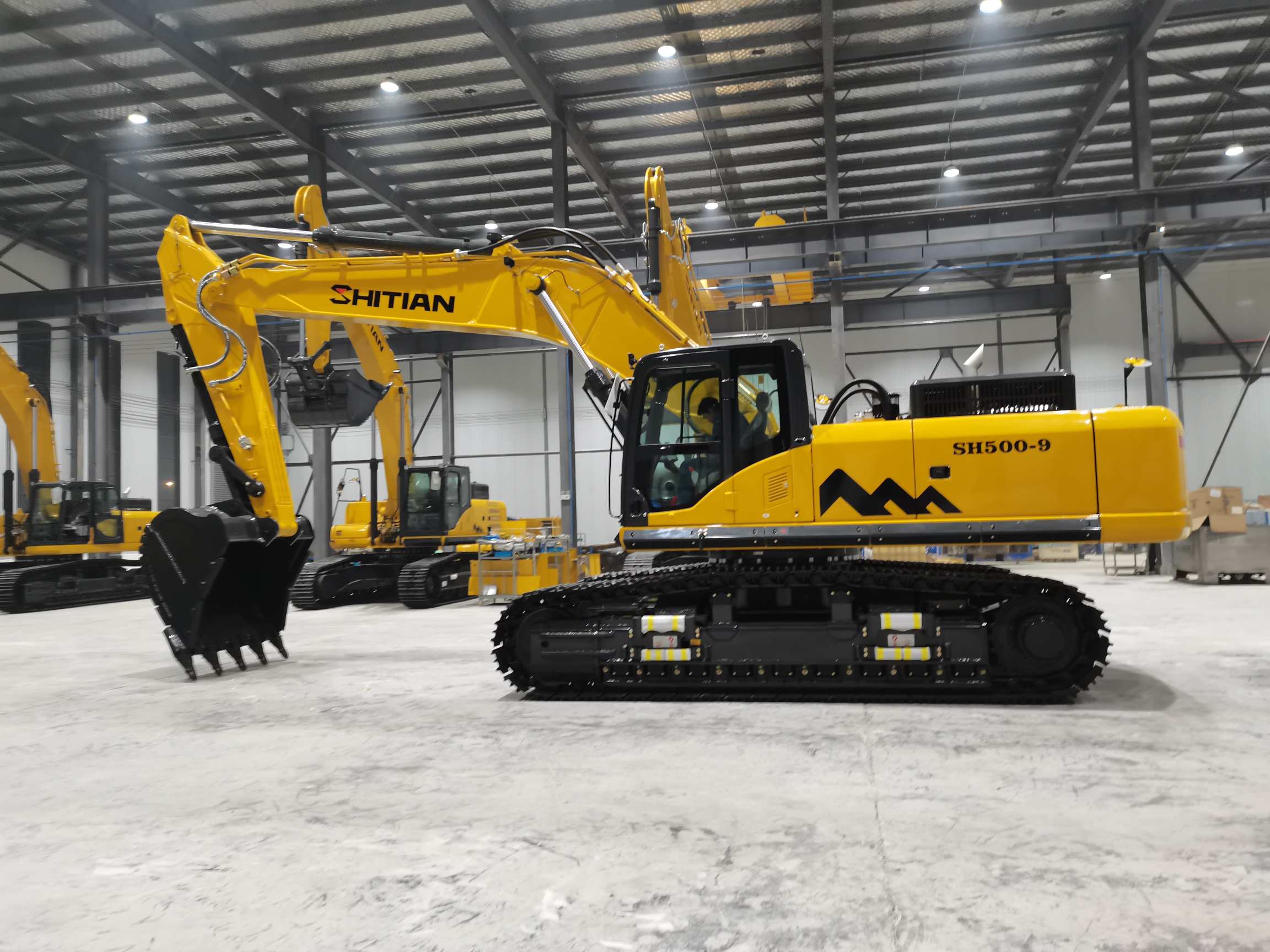
1. Fuel System Failures
Engine hard starting is a comprehensive problem caused by multiple factors, involving fuel systems, electrical systems, mechanical components, and working environment. Below are the main causes of engine hard starting, combined with the application characteristics of large excavators, to provide professional technical references for B2B buyers.
Shandong Shitian Heavy Industry pays special attention to the matching design of the fuel system and engine in the production of large excavators. Its conventional product GC378 is equipped with a full set of German Linde hydraulic system, which effectively improves fuel supply stability and atomization effect. At the same time, the company uses high-quality fuel filters and anti-freezing fuel pipelines in the manufacturing process, which significantly reduces the occurrence of fuel system-related starting failures.
2. Electrical System Malfunctions
The fuel system is the core of engine starting, and its faults are the most common cause of engine hard starting, accounting for 40% of all starting failures. Common problems include insufficient fuel pressure, clogged fuel filters, poor fuel atomization, and air in the fuel pipeline. For large excavators working in remote areas, the use of low-quality fuel will lead to carbon deposition in injectors and fuel pipes, affecting fuel supply efficiency; in low-temperature environments, fuel viscosity increases, resulting in poor atomization and difficulty in igniting the mixture, thus causing hard starting.
The electrical system provides power support for engine starting, and its malfunctions are another major cause of engine hard starting, accounting for 30% of all starting failures. Common problems include insufficient battery power, damaged starter motors, faulty ignition coils, and poor electrical connections. Large excavators have high power requirements for the engine, and their starters need to output sufficient torque to drive the engine to start. If the battery is undercharged or aged, it will fail to provide enough power, resulting in slow cranking of the starter and difficulty in starting the engine. In addition, harsh working conditions such as high dust and humidity will corrode electrical connectors, leading to poor contact and intermittent starting failures. Shandong Shitian Heavy Industry fully considers the harsh working environment of large excavators in product R&D and selects high-quality waterproof, dustproof and corrosion-resistant electrical components for its products such as GC458 and GC498. These components have been verified in mine, highway and quarry working conditions for more than ten years, effectively ensuring the stability of the electrical system and reducing the occurrence of starting failures caused by electrical faults.
3. Mechanical Component Abnormalities
Mechanical component abnormalities are also an important cause of engine hard starting, mainly involving the engine cylinder, piston, valve train and other core components. For example, excessive wear of the cylinder liner and piston ring will lead to reduced cylinder compression pressure, making it difficult to compress the fuel-air mixture to the ignition point, thus causing hard starting. In addition, valve clearance deviation, timing belt or chain loosening will affect the valve opening and closing timing, leading to mismatched fuel injection and ignition time, which also results in engine hard starting. Large excavators often work under heavy load and harsh conditions, so the wear of mechanical components is relatively fast, which increases the risk of starting failures. Shandong Shitian Heavy Industry adheres to strict quality control standards in the production process, uses high-strength wear-resistant materials for core mechanical components, and carries out strict testing before leaving the factory. Its hybrid large excavator GC518 not only achieves an energy-saving effect of more than 30% but also optimizes the design of the engine cylinder and valve train, effectively reducing mechanical wear and improving the reliability of engine starting.
4. Environmental and Operational Factors
In addition to equipment itself, environmental and operational factors also have a significant impact on engine starting. As mentioned earlier, low-temperature environments will increase fuel viscosity and reduce battery performance, while high-dust and high-humidity environments will damage fuel and electrical systems. In addition, incorrect operation by operators, such as insufficient preheating before starting, improper fuel selection, and long-term idling, will also accelerate the occurrence of engine hard starting. According to industry statistics, about 20% of engine hard starting failures are caused by improper operation. To help buyers avoid such problems, Shandong Shitian Heavy Industry provides professional operation training and after-sales guidance while providing high-quality products. The company integrates R&D, production, sales, maintenance and leasing, and can provide one-stop services for international B2B buyers to solve various problems encountered in equipment use.