Excavator Transportation Guide: Best Practices, Safety Tips and Cost Factors
At first glance, transporting excavators may seem straightforward—but it demands meticulous planning, professional equipment, and strict adherence to safety regulations. As bulky heavy machinery, excavators typically weigh 10,000–100,000 pounds or more, making their safe transit a critical task for contractors, construction firms, and machinery manufacturers.
This concise guide outlines core best practices to minimize risks and maximize efficiency:
1.Strategic Planning & Trailer Selection
Start with confirming your excavator’s weight, size, and classification (small/medium/large)—these factors dictate trailer type and transport licenses. Low flatbed trailers are the top choice, thanks to their low platform height that ensures safe passage under bridges and overpasses. Ensure the trailer’s load capacity fully matches the excavator’s specs.
Route planning is equally vital: map out paths to avoid narrow roads, low clearances, and construction zones. Secure special permits in advance for oversized or overweight cargo to prevent costly delays.
2.Secure Loading & Unloading Protocols
●Park trailers on level ground; inspect ramps, chains, and anchor points for damage before operation.
●Use appropriately angled ramps to prevent excavator tipping or sliding during loading/unloading. Assign a dedicated guide to assist the operator.
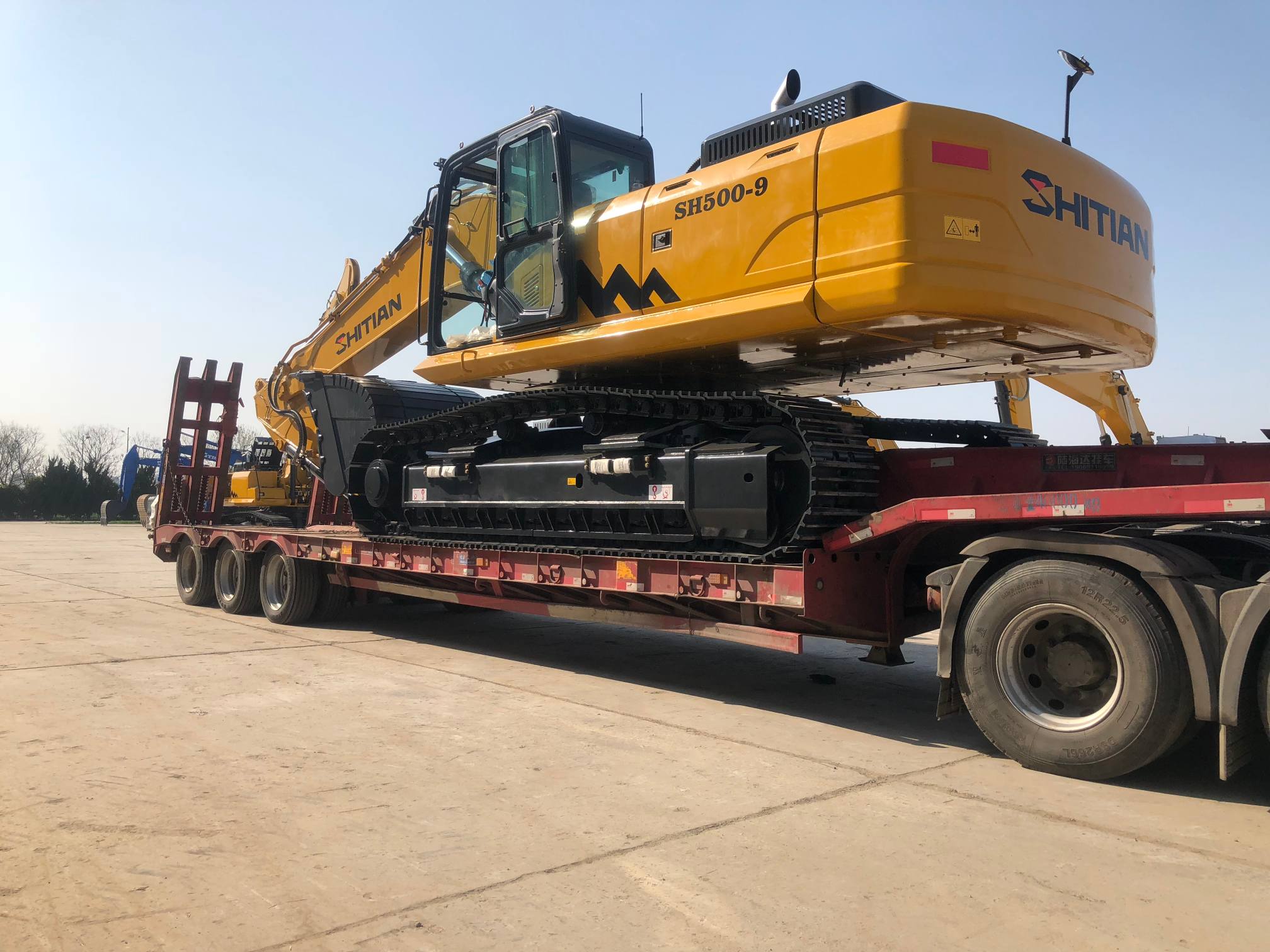
●Position the excavator to evenly distribute weight across the trailer’s axles. Disassemble or firmly secure large buckets and accessories to protect equipment and maintain clearance.
●Fasten the machine with heavy-duty chains/straps, double-checking all connection points for tightness before transit.
3.Non-Negotiable Safety Measures
Prioritize personnel training and personal protective equipment (gloves, steel-toed boots, high-visibility clothing). Maintain clear communication between drivers, ground staff, and guides at all times.
Pre- and post-transit inspections of both excavators and trailers are mandatory to spot mechanical issues. Adjust schedules or routes in bad weather (rain, ice) to avoid skidding and loss of control.
4.Cost Optimization Tips
Transportation costs depend on distance, machine size, trailer type, permits, and labor. Oversized excavators may require specialized trailers, escort vehicles, and extra permits—all adding to expenses.
Partnering with experienced, licensed transport providers may have a higher upfront cost, but it eliminates risks of equipment damage, fines, and delivery delays, ultimately cutting total costs.
5.Why Choose Professional Transport Services?
Reputable transport companies bring professional trailers, trained drivers, and in-depth knowledge of regional regulations. They manage the entire process—from route planning and permit handling to loading, securing, and unloading—letting you focus on core operations.
Always verify a provider’s track record, licenses, and insurance coverage before hiring.

Conclusion
Safe and efficient excavator transportation relies on careful planning, regulatory compliance, and strict safety protocols. By following these best practices or partnering with qualified transport experts, you can ensure smooth, risk-free delivery of your heavy machinery.