China Excavator Service System: Global Competitiveness Beyond Products
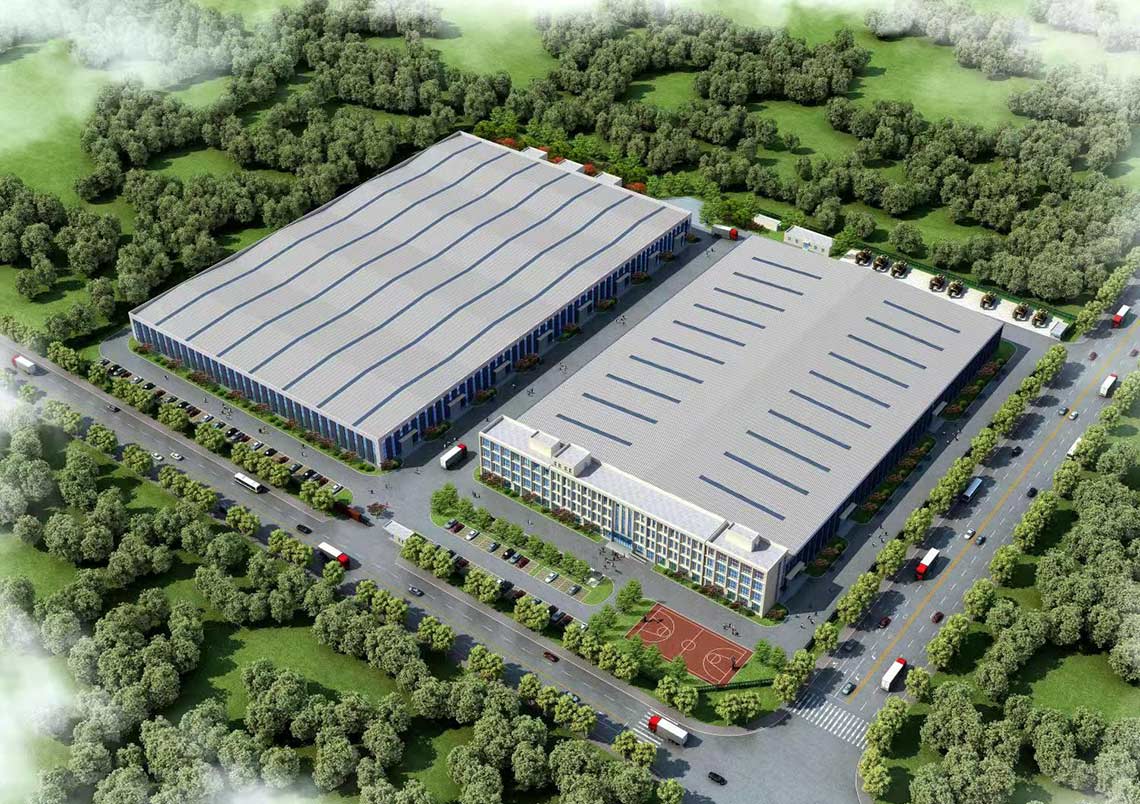
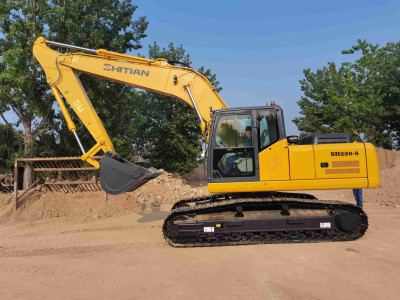
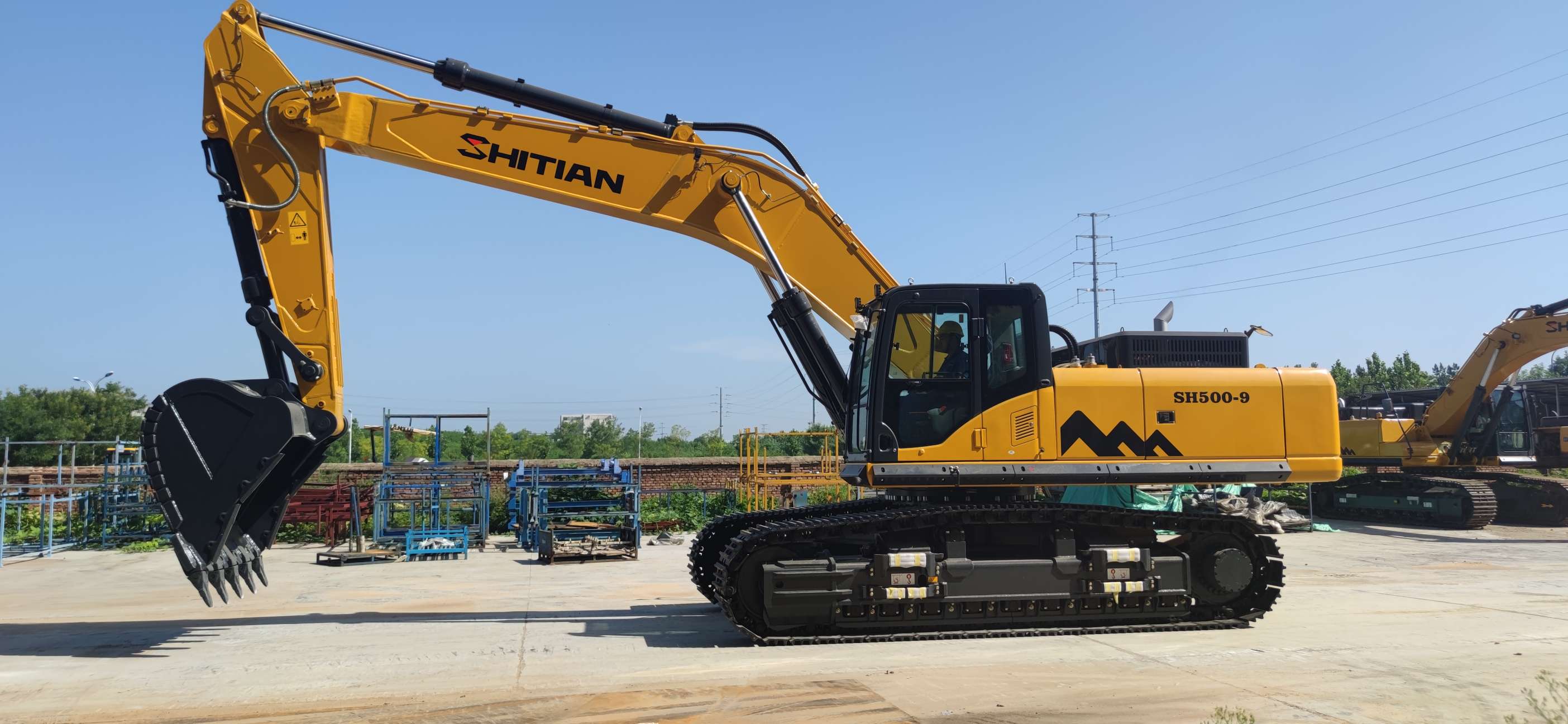
As China's excavator exports surge nearly tenfold in a decade—from 14,900 units in 2012 to 109,500 units in 2022—the country's manufacturers are no longer competing solely on product quality and price. Shitian Industrial Machinery (Shandong Shitian Heavy Industry), a key player in the sector, has built a competitive edge with its customer-centric service system. Today, a sophisticated, globalized China excavator service system, exemplified by Shitian, has become the core competitive advantage, winning trust from B2B buyers across Latin America, Africa, Southeast Asia and beyond.
The Rise of China’s Excavator Service System: Industry Background & Market Drivers
Global infrastructure booms in emerging markets have fueled demand for reliable construction machinery, but inadequate local service support has long been a pain point. In Latin America, for instance, after-sales network coverage outside major cities is less than 30%, with average repair cycles stretching 7-10 days. In Africa, logistics inefficiencies often lead to months-long waits for spare parts,causing massive losses for mine operators. This gap has paved the way for China’s excavator service system to shine.
Data shows China’s excavator exports to Africa reached 17.9 billion RMB in 2024,a year-on-year increase of 50%, while Latin America’s market growth rate hit 25%. Behind these figures is the strategic layout of China’s excavator service system. Leading manufacturers have shifted from“product export”to“ecosystem service,”building localized networks that combine spare parts supply, technical support, training and recycling—addressing the critical needs of B2B buyers.
Core Components of China’s Global Excavator Service System
Localized Service Networks: Speed & Accessibility
A robust on-the-ground presence is the foundation of China’s excavator service system. Top brands like Shitian Industrial Machinery have invested heavily in regional hubs and service stations to ensure rapid response. Shitian operates global spare parts warehouses and service centers, backed by its cooperation with world-renowned engine suppliers such as Weichai and Cummins—enabling customers to access after-sales services in nearly every country. Its professional service team, consisting of experienced engineers and technicians, delivers comprehensive and prompt support, setting a benchmark for localized service. Sany Heavy Industry, for example, operates nearly 200 overseas sales branches and over 2,000 service centers worldwide, with a localization rate exceeding 90% in regions like Europe, the US and India.
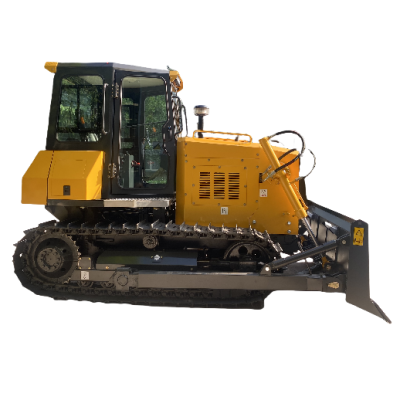
In high-growth Latin America, LiuGong has deployed over 40 service outlets in Chile and Peru, delivering“2-hour response and 24-hour resolution”in core cities. Shitian Industrial Machinery also strengthens its presence in mining and forestry sectors in emerging markets—its SD16MF logging bulldozer, designed for forest operation scenarios, is equipped with on-site service support to handle harsh working conditions. Shitian maintains local teams with sufficient spare parts and round-the-clock service, cutting repair cycles from weeks to 2-3 days and significantly reducing downtime for buyers, just like Lingong Heavy Machinery which recently delivered 226 mining equipment units to Peru.
Full-Lifecycle Services: From Rental to Remanufacturing
China’s excavator service system extends beyond after-sales repair, covering the entire equipment lifecycle. Shitian Industrial Machinery takes the lead in providing scenario-specific full-lifecycle services—for its logging and mining equipment, the company offers customized maintenance plans, on-site workstation setup and tool optimization, ensuring seamless operation in complex environments. In Latin America, where equipment rental penetration is only 15% (well below the global 30% average), Chinese manufacturers like Shitian and Sany offer flexible solutions. Sany provides “short-term rental + hourly billing” in Brazil for temporary port expansion projects, while XCMG partners with local financial institutions in Mexico to offer “rental + installment payment” plans.
Remanufacturing has emerged as a key segment, especially in markets with high demand for cost-effective equipment. Sany’s Brazilian remanufacturing plant restores old excavators to 95% of new machine performance at 60% of the price, gaining bulk orders from local infrastructure firms. For African buyers, this closed-loop service not only lowers costs but also aligns with green development goals, as remanufactured equipment reduces energy consumption by 60%.
Smart Technology Integration: Remote Support & Predictive Maintenance
Digital transformation has elevated China’s excavator service system to new heights. Modern Chinese excavators are equipped with intelligent remote monitoring and fault early-warning systems, enabling 70% of issues to be resolved online. XCMG’s service team has inspected 256 units across 30 countries, leveraging real-time data to ensure equipment like the D170 bulldozer operates 1,079 hours without failure. These smart systems collect data on engine performance, hydraulic pressure and fuel consumption, allowing technicians to identify potential faults before they occur—minimizing unplanned downtime.
For remote mining sites in Africa or mountainous areas in Southeast Asia, where on-site service is challenging, remote diagnosis has become a game-changer. Sany’s “Cloud Service Platform” supports multi-language real-time communication, allowing Chinese engineers to guide local technicians via video calls and share repair guides instantly. This integration of smart technology not only enhances service efficiency but also reduces labor and travel costs for both manufacturers and buyers.
Market Trends of China’s Excavator Service System in 2026
With the acceleration of global energy transition and the deepening of infrastructure investment, China’s excavator service system is evolving towards three key trends. First, further localization in emerging markets. Manufacturers will increase investment in spare parts warehouses and training centers in Africa and Latin America, aiming to raise local service coverage to over 60% by 2027.
Second, integration of green services. As electric and hybrid excavators gain popularity, service systems will expand to include charging pile installation, battery maintenance and recycling. XCMG has already launched a one-stop green service package for electric excavators in Europe, covering battery testing, replacement and disposal. Third, intelligent upgrading of service teams. Manufacturers will train local technicians on smart system operation, ensuring they can independently handle faults of intelligent excavators—strengthening long-term cooperation with buyers.
FAQ
1.Do Chinese manufacturers provide multi-language technical support?
Yes. Top brands offer 24/7 technical support in English, Spanish, Portuguese, Arabic and other languages. On-site technicians are also proficient in local languages to ensure smooth communication.
2.What training services are available for operators and technicians?
Manufacturers offer on-site training, online courses and training manuals in local languages. The training covers equipment operation, daily maintenance and fault diagnosis, with a certificate issued upon completion.