Common Hydraulic Excavator Faults & Troubleshooting | Shandong Shitian Tracked Excavator
March 24, 2026 – Hydraulic excavators are the core equipment in global construction, mining and infrastructure projects, and their stable operation directly determines project efficiency and cost control. However, long-term operation in harsh and complex working conditions often leads to various faults, which not only cause project delays but also increase maintenance costs for B2B buyers. As a professional manufacturer with 20 years of experience in R&D and production of hydraulic excavators, Shandong Shitian Heavy Industry has always adhered to high-quality standards, and its Shandong Shitian tracked excavator is favored by global B2B buyers for its high performance, stable quality and low failure rate. This article focuses on the most common faults of hydraulic excavators, detailed troubleshooting methods, and introduces Shandong Shitian’s advantages in quality control, logistics and supply chain optimization, helping global buyers reduce downtime and maintenance costs.
Key Common Faults of Hydraulic Excavators and Step-by-Step Troubleshooting
Hydraulic excavators rely on the hydraulic system to complete core operations such as digging, lifting and rotating, so most faults are closely related to the hydraulic system. Below are the most common faults encountered by B2B buyers in actual operation, as well as professional troubleshooting methods, which are also applicable to the maintenance of Shandong Shitian tracked excavator.
1.Hydraulic System Leakage: The Most Common Fault Affecting Operation Safety
Hydraulic oil leakage is the most frequent fault of hydraulic excavators, which is usually divided into internal leakage and external leakage. External leakage is easy to find, showing oil stains around hydraulic hoses, joints or cylinders; internal leakage is hidden, mainly manifested in weakened operation force, slow action and increased fuel consumption, which is difficult to detect in the early stage.
Troubleshooting Methods: First, conduct a visual inspection to check whether the hydraulic hoses are aged, cracked or loose, and whether the seals of joints and cylinders are damaged—replace the damaged parts in time. For internal leakage, use a pressure gauge to detect the pressure of each hydraulic circuit; if the pressure is lower than the standard value, check whether the main pump, relief valve or cylinder has internal wear, and repair or replace the worn components. Thanks to the high-quality imported hydraulic components and strict assembly standards adopted by Shandong Shitian tracked excavator, the probability of hydraulic leakage is greatly reduced, and the service life of hydraulic system components is extended by 30% compared with ordinary models.
2.Slow or Unresponsive Operation of Boom, Stick and Bucket
Many B2B buyers report that the excavator’s boom, stick or bucket moves slowly, unresponsively, or even gets stuck during operation, which seriously affects construction efficiency. This fault is usually caused by insufficient hydraulic pressure, blocked oil circuit, worn hydraulic pump or malfunction of the control valve.
Troubleshooting Methods: First, check the hydraulic oil level and quality—if the oil level is too low, add the specified type of hydraulic oil in time; if the oil is turbid or contains impurities, drain and replace the hydraulic oil and filter element. Then, detect the hydraulic pump pressure; if the pressure is insufficient, check whether the pump is worn or the pressure regulating valve is faulty. Finally, check whether the control valve spool is stuck by impurities, and clean or replace the control valve if necessary. Shandong Shitian tracked excavator is equipped with an imported Linde hydraulic system with load sensitivity, which ensures stable oil pressure and smooth operation, effectively avoiding the problem of slow or unresponsive operation.
3. Abnormal Noise in Hydraulic System
Abnormal noise (such as whining, grinding or cavitation sounds) in the hydraulic system during operation is a warning signal of component failure, which may be caused by insufficient hydraulic oil, air entering the system, worn hydraulic pump or blocked oil filter.
Troubleshooting Methods: First, check the hydraulic oil level—if it is lower than the standard line, add oil in time to avoid the hydraulic pump sucking air. Then, check whether there is air in the hydraulic system; if there is air, release the air through the exhaust valve. If the noise still exists, check whether the hydraulic pump bearings or gears are worn, and replace the hydraulic pump if necessary. In addition, regularly replace the oil filter to avoid blockage. It should be noted that the hydraulic oil used must conform to the specifications recommended by the manufacturer; using inferior hydraulic oil will accelerate the wear of components and easily cause more serious faults. Shandong Shitian tracked excavator is equipped with a special hydraulic oil filter with high filtration precision, which can effectively filter impurities in the oil and reduce the occurrence of abnormal noise faults. At the same time, the company will provide professional maintenance guidance for buyers, helping them standardize operation and reduce fault risks.
4. Engine Overheating: A Fault That Affects Long-Term Operation
The engine is the "heart" of the hydraulic excavator, and overheating is a common fault that affects its service life and stable operation. This fault is usually caused by insufficient coolant, blocked radiator, faulty water pump, or long-term overload operation, especially in high-temperature construction environments such as tropical regions. Engine overheating will not only lead to reduced power and increased fuel consumption but also cause serious damage to engine components such as cylinders and pistons if not handled in time.
Troubleshooting Methods: First, stop the machine immediately and let the engine idle to cool down naturally; do not turn off the engine suddenly or add cold water immediately, so as to avoid damage to the engine block. After cooling, check the coolant level and add the specified type of coolant in a timely manner. Then, check whether the radiator is blocked by dust, soil, or debris, and clean the radiator fins with compressed air or clean water. If the coolant circulates poorly, check whether the water pump is faulty or the water pipe is blocked, and repair or replace the relevant components. Shandong Shitian tracked excavators adopt a high-efficiency radiator with strong heat dissipation performance, which can adapt to high-temperature working environments, and their engines have undergone strict temperature control debugging, effectively reducing the probability of overheating faults.
Shandong Shitian’s Advantages: Quality Assurance, Logistics and Supply Chain Optimization
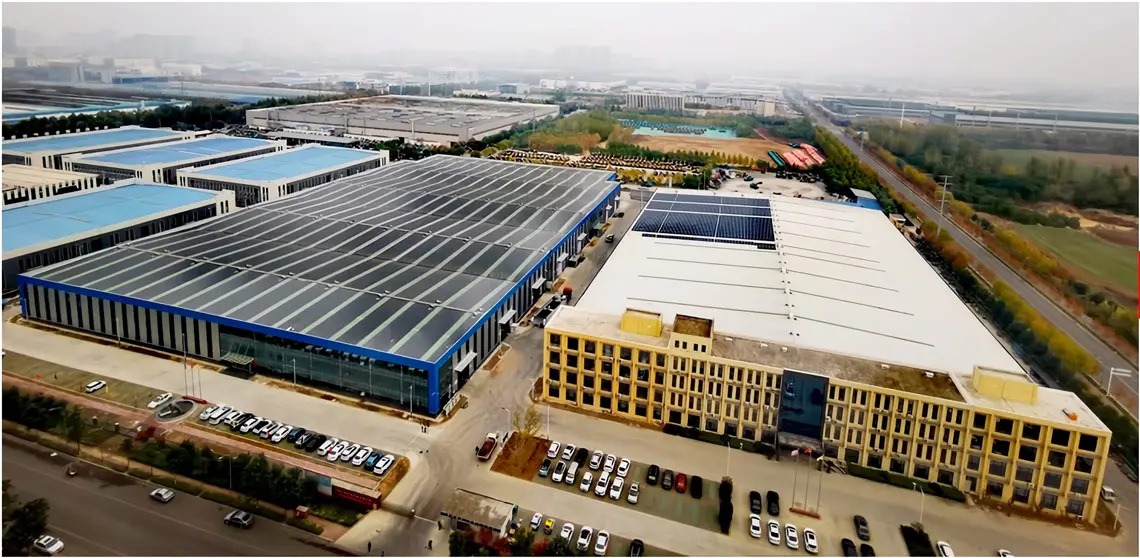
For global B2B buyers, choosing a reliable excavator manufacturer not only means obtaining high-performance products but also receiving comprehensive after-sales and supply chain support. Shandong Shitian Heavy Industry, with 20 years of experience in hydraulic excavator R&D and production, has established a complete quality control system, strictly controlling every link from component procurement to product assembly. This is why Shandong Shitian tracked excavators have the advantages of high performance, stable quality, and low failure rates, and have won consistent praise from global buyers.
In terms of logistics and supply chain optimization, Shandong Shitian relies on Shandong’s convenient port resources (Qingdao Port, Rizhao Port) and has established long-term cooperative relations with international logistics companies, adopting multi-modal transportation modes such as sea, land, and air. For bulk orders of Shandong Shitian tracked excavators, the company can arrange direct shipping, with a delivery cycle of 20-30 days for Asian markets and 30-45 days for European and American markets, ensuring that products are delivered to buyers on time. At the same time, the company has more than 300 local supporting enterprises, realizing localized procurement of key components, which not only reduces production costs but also ensures the stability and timeliness of supply, enabling rapid responses to buyers’ order needs.
FAQ
1.What should I do if the hydraulic system of a Shandong Shitian tracked excavator leaks during operation?
First, stop the machine immediately to avoid further loss of hydraulic oil. Then, conduct a visual inspection to find the leakage point (such as hoses, joints). If it is external leakage, replace the damaged seal or hose in a timely manner; if it is internal leakage, contact Shandong Shitian’s 24-hour online technical team for professional guidance, and do not disassemble the components without authorization.
2.How to avoid engine overheating of Shandong Shitian tracked excavators in high-temperature environments?
Regularly check the coolant level and radiator cleanliness, and clean the radiator fins in a timely manner; avoid long-term overload operation; choose the specified type of coolant, and do not mix different types of coolants. Shandong Shitian tracked excavators are equipped with a high-efficiency radiator, which can effectively adapt to high-temperature working conditions.